
News
Hollywood’s Obsession with Innovation: Inside the InventHelp Perspective from Robert Susa


Hollywood has always been about reinvention. From actors launching production companies to celebrities building billion-dollar consumer brands, innovation has quietly become one of the entertainment industry’s most powerful undercurrents. What used to be side projects or passion hobbies are now full-scale businesses rooted in problem-solving, product design, and intellectual property.
According to Robert Susa, this shift is not surprising. As a longtime leader at InventHelp, Susa has watched invention culture evolve far beyond laboratories and tech startups. Today, innovation lives at the intersection of creativity, personal experience, and real-world frustration, a place Hollywood understands better than most.
Why Hollywood Is Drawn to Innovation
Hollywood creatives spend their lives solving problems. Actors, directors, musicians, and producers are constantly adapting to new roles, new platforms, and new audience expectations. That mindset naturally lends itself to invention.
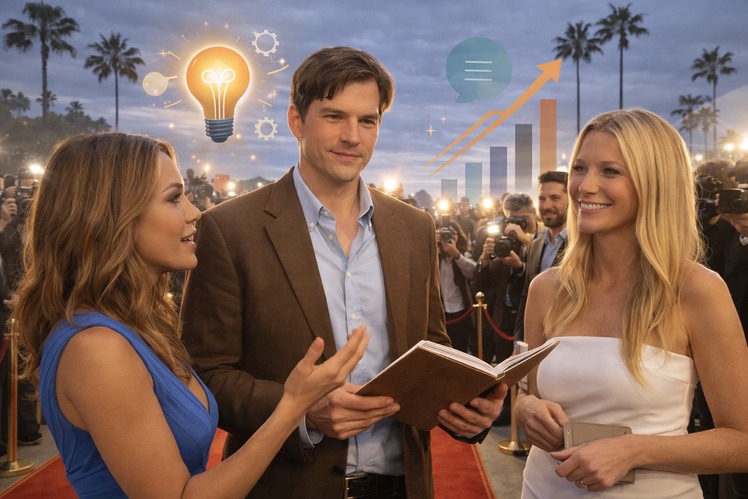
In recent years, celebrities like Jessica Alba, Ashton Kutcher, and Gwyneth Paltrow have shown that innovation does not require an engineering background. Many celebrity-backed brands started the same way most inventions do, with a personal pain point and a desire to improve something that did not already exist.
“People often think invention starts with technology,” Susa explains. “In reality, it usually starts with frustration. That’s true whether you’re a celebrity or someone working a nine-to-five job.”
From Red Carpets to Real Products
Hollywood’s embrace of innovation has also changed how audiences view inventors. Once stereotyped as scientists in lab coats, inventors are now seen as creators, storytellers, and problem solvers, roles celebrities already understand.
Robert Susa points out that many celebrity brands begin not because of fame alone, but because they follow a familiar invention pattern:
- Identify a personal problem
- Imagine a better solution
- Pursue protection for the idea
- Build something tangible
The InventHelp Perspective on Celebrity Innovation
Founded in 1984, InventHelp has worked with thousands of inventors across consumer goods, home products, electronics, and lifestyle categories. While InventHelp works with everyday inventors and not celebrities, Susa says the principles behind celebrity innovation mirror what InventHelp teaches all inventors.
“There’s a misconception that celebrities succeed because of access,” Susa explains. “Access helps, but it doesn’t replace preparation. The celebrities who build lasting products are the ones who respect the process.”
That process includes pursuing the protection of intellectual property, developing clear product presentations, and understanding that no invention, celebrity-backed or not, comes with guarantees.
Why Fame Isn’t Enough to Invent
Star Magazine readers are no strangers to celebrity brand launches that fade quickly. For every successful celebrity venture, there are countless others that disappear after initial buzz.
Susa believes this is where reality sets in.
“Invention doesn’t reward shortcuts,” he says. “Even with a famous name attached, a product still has to solve a real problem.”
This is why InventHelp emphasizes transparency over hype. Inventors are taught early on that inventing is a journey, not a moment, and that patience can be important.
What Everyday Inventors Can Learn from Hollywood
Interestingly, Susa believes everyday inventors have an advantage over celebrities in one key area, persistence.
“Most inventors we work with aren’t chasing attention,” he says. “They’re chasing improvement. That mindset is incredibly powerful.”
Hollywood’s obsession with innovation has helped normalize invention as something anyone can pursue. You no longer need a lab, a tech degree, or a venture capital connection. Many inventions today are simple, practical improvements, the same kinds of ideas InventHelp sees every day.
Innovation as Storytelling
One reason Hollywood gravitates toward invention is storytelling. Every product has a narrative, why it exists, what problem it solves, and how it improves life.
“Invention is storytelling in physical form,” Susa explains. “A good invention tells a story people immediately understand.”
This storytelling element is why celebrities often excel at branding inventions. But Susa emphasizes that storytelling alone is not enough. Behind many strong product stories is structure, protection, and realistic planning.
How InventHelp Supports the Inventor Mindset
InventHelp’s role, according to Susa, is not to manufacture success but to guide inventors through informed steps. That includes:
- Confidential idea submission
- Patent referral services through independent attorneys
- Visual and written product presentation materials
- Attempted exposure to companies that review new ideas
The Cultural Shift Toward Inventor Identity
Hollywood’s fascination with innovation has helped redefine what it means to be an inventor. Inventors are no longer seen as outliers. They are creators, builders, and problem solvers, roles that resonate deeply in entertainment culture.
Susa believes this shift is positive.
Why Innovation Isn’t a Trend, It’s a Movement
Unlike fleeting Hollywood trends, invention is not going anywhere. As lifestyles change, new problems emerge, and new solutions follow.
Robert Susa sees invention as a natural extension of creativity.
“Whether you’re writing a script, designing a product, or solving a daily inconvenience, you’re doing the same thing,” he says. “You’re imagining something better.”
Frequently Asked Questions About InventHelp and Innovation
Why are so many celebrities launching products?
Many celebrities identify personal problems and use their creativity to develop solutions, following a similar invention process as everyday inventors.
Who does InventHelp work with?
InventHelp focuses on supporting everyday inventors at all levels.
Is invention only for people with technical backgrounds?
Not exclusively. Many inventions are simple improvements based on everyday experiences.
What does Robert Susa emphasize most about invention?
Transparency, education, and realistic expectations.
Can everyday inventors compete with celebrity brands?
Yes. Many everyday inventions get started by solving specific problems, regardless of who created them.
Final Takeaway
Hollywood’s obsession with innovation is not about fame. It is about creativity meeting purpose. From celebrity entrepreneurs to everyday problem solvers.
Through InventHelp and the leadership of Robert Susa, inventors are reminded that innovation does not belong to Hollywood alone. It belongs to anyone willing to notice a problem, imagine a better solution, and respect the journey it takes to invent something.
In a world where creativity is currency, invention may be Hollywood’s most relatable role yet.