
Celebrity
SAG-AFTRA’s AI Win Leaves Influencers and Smaller Creators Facing A Harder Fight

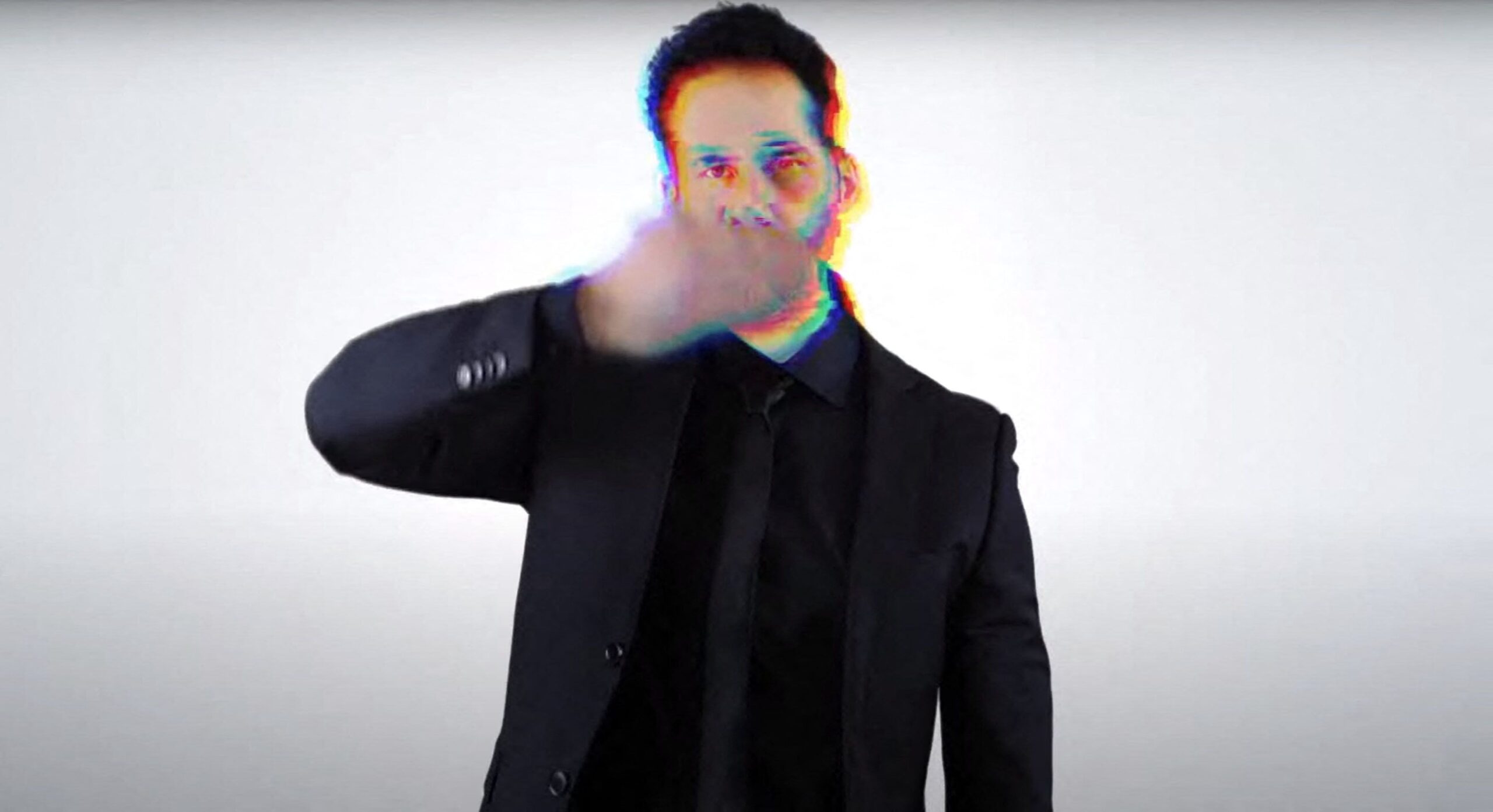
SAG-AFTRA’s latest AI protections are being celebrated as a major step forward for performers, but the victory also exposes a growing divide in Hollywood and the creator economy: union actors now have clearer rules around digital replicas and AI-generated performers, while many influencers, podcasters, streamers and smaller public figures are still largely on their own.
The union’s new safeguards address two of the entertainment industry’s most urgent fears: the unauthorized use of digital replicas of real performers and the rise of “synthetics,” or fully AI-generated performers that could replace human talent. For working actors covered by the agreement, those protections create a contractual baseline. For everyone else with a recognizable face, voice or online persona, the threat is just as real, but the safety net is thinner.
“The deepfake and unauthorized likeness problem is something I advise clients on regularly — and the SAG-AFTRA conversation, while important, only captures part of the picture,” said Kevin Kahn of Kahn Media Law. “This is a reality for anyone with a monetizable public image, union card or not.”
The tools needed to clone someone’s face or voice are no longer limited to studios or sophisticated bad actors. They are cheaper, faster and easier to use, putting public-facing people at risk of fake endorsements, fabricated videos, voice scams, impersonation accounts and sexually explicit deepfakes.
“What SAG-AFTRA has negotiated is essentially a contractual baseline that the rest of us don’t have, and that gap is where malicious actors are able to perpetrate impersonations and fraud,” said Emmanuelle Saliba, the Chief Investigative Officer at GetReal Security, where she leads investigations and incident response related to deepfakes and AI deception.
For creators outside the union system, experts say the first challenge is simply knowing when their likeness has been misused. Kahn recommends reverse image and reverse video monitoring, facial-recognition search tools and, in voice-cloning cases, AI-audio detection software. But the scale of the problem makes manual searching difficult.
“The harder problem is volume — manual monitoring doesn’t scale, which is why automated monitoring infrastructure matters for anyone with a significant public presence,” Kahn said.
Saliba said many victims discover deepfakes only after someone else sends them a link.
“That’s often too late and too random,” she said. “By the time it’s discovered, it’s likely already spread and could have received millions of views. The damage has already been done.”
The legal remedies are uneven. Joe Lawlor, trademark and advertising partner at Haynes Boone, said intimate or sexually explicit fake images may be addressed under the federal Take It Down Act, which generally requires platforms to remove verified nonconsensual material quickly. But non-sexual deepfakes, including fake ads and fabricated public statements, are harder to police.
“There is no one-size-fits-all approach to responding to deepfakes and other unauthorized use of a public figure’s image or voice,” Lawlor said. “There is no similar law for non-sexual deepfakes.”
Copyright claims can help in some cases, but deepfakes are often newly generated rather than direct copies of existing material. Trademark claims may also be limited, though Lawlor said some public figures are beginning to seek federal trademarks for their names, likenesses and voices. Even then, platform response can be slow.
“As a result, public figures may have to go directly to the users who post deepfake content to request that it be removed or send legal demand letters to the posters themselves,” Lawlor said.
Kahn said right-of-publicity claims may be more appropriate than copyright when someone’s image or voice is being exploited. He also points to platform impersonation and synthetic-media reporting tools, which can sometimes move faster than standard copyright queues. In commercial deepfake cases, legal pressure on hosting providers and ad networks can help cut off the money behind the fake.
“Speed is everything,” Kahn said. “A coordinated public statement that gets ahead of the narrative — before a deepfake goes viral — is far more effective than cleanup after the fact. Clients should have a response protocol drafted before an incident occurs, not after.”
Saliba said anyone targeted should preserve links, screenshots, account information and source material that can help prove what is real and what is fake. In some cases, she said, going public quickly may be necessary.
“The time between discovering a deepfake and it being taken down is enough of a gap to put your brand and reputation at risk,” Saliba said. “Silence may be misread as confirmation. Make it clear to your audience that you are not endorsing or involved in an unauthorized usage of your likeness.”
That is the larger lesson of SAG-AFTRA’s AI win. The union has forced studios to confront the value of a performer’s face, voice and identity before those assets are copied or replaced. Outside that system, creators are being pushed to build their own defenses after the fact.
Some major stars, including Taylor Swift and Matthew McConaughey, have taken steps to trademark aspects of their likenesses, but Saliba noted that enforcement requires resources most creators do not have. Even so, she expects more public figures to consider those protections as a deterrent.
The next phase may be less about proving something is fake and more about proving what is real.
“While detection and takedowns remain important, they are reactive,” said Saliba, who recently released a video about the rise of AI influencers. “The more meaningful shift will be around identity: proving you are who you say you are will become the gateway. We’re seeing this shift starting to take shape now, which will benefit not just those with public followings, but everyone who needs to go online for day-to-day life.”
For Hollywood, SAG-AFTRA’s deal may be a turning point. For everyone else trying to build a career online, it is a warning. In the AI era, a recognizable face is an asset that can be copied, sold and weaponized before its owner even knows it has been taken.