Lifestyle
Designing For Permanence: The Interior Trends Shaping 2026 Spaces

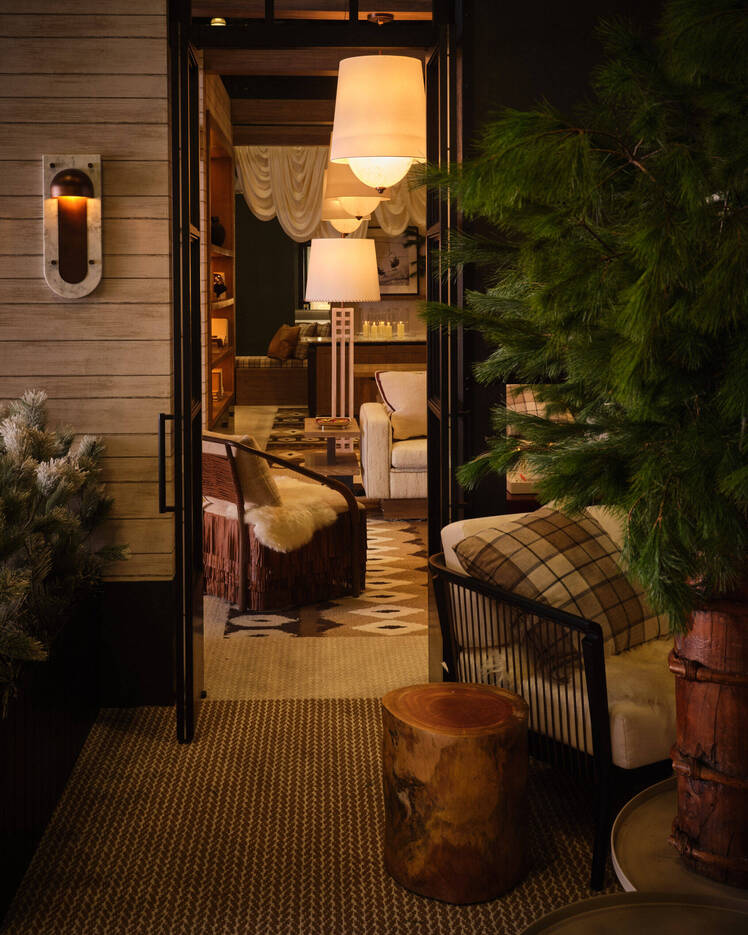
After years of minimalism, fast furniture, and fleeting Instagram fads, 2026 is ushering in a new era of interior design rooted in permanence, personality, and deep connection to place.
“Interiors are turning toward the familiar and the timeless,” says Dan Mazzarini, Principal and Creative Director of Mazzarini & Co. “The Re-Ralphization trend, in line with the recent Ralph Lauren Christmas phenomena, signals a renewed appreciation for classic design elements and found objects that feel established and grounded.”
Homes will feel less curated for fleeting social media aesthetics, and more lived in.
“Spaces favor authenticity over the ephemeral: interiors that tell a story, layering traditional materials, patterns, and textures in ways that feel effortlessly curated,” Mazzarini says. “This is a celebration of comfort, heritage, and enduring style, where design choices represent a permanence and confidence in todays ever-shifting world.”
Tera Smith of Smith Interior Design sees a similar shift in the way clients are approaching color, materials, and decorative choices.
“This might sound a little controversial, but the Colors of the Year chosen by the biggest color authorities have fallen short of the actual trends we are seeing from our clients,” she said. “While Pantones Cloud Dancer, a soft white, and Sherwin-Williams Universal Khaki offer beautiful neutrality, the real movement in design is toward colors that are grounded in nature, deeper, muted tones that bring richness and soul into a space.” While soft neutrals still have their place, she said that for major items like rugs and furniture, “clients are gravitating toward earthy, moody hues that create warmth and a more lived in feel.”
That same sense of warmth is influencing material selections, with homeowners leaning into woods, stones, and metals that feel storied and tactile.
“Warm wood tones such as walnut, oak, and white oak are taking the lead over painted finishes, adding instant character and grounding to a room,” Smith says. “Marbles in cream, taupe, and soft dramatic veining are now outpacing glass and other glossy materials, giving kitchens and bathrooms a more layered and elevated feel.”
Even hardware is taking on a warmer tone, with “patinated brass and bronze becoming frequent choices for hardware, lighting, and decorative accents,” she says. “These materials work together to create interiors that feel collected, comforting, and connected to nature.”
Smith also pointed to a “major resurgence in statement lighting and expressive artwork.”
“Light fixtures are no longer just functional pieces. They are sculptural focal points that define a rooms personality. Oversized pendants, organic silhouettes, mixed material chandeliers, and artisan-made sconces are becoming important elements in our designs,” she says, noting that artwork is following the same trend.
“Instead of sleek floating frames, clients are choosing larger, bolder pieces with carved, ornate, or textural frames that add depth and interest to a wall,” she says. “These details make a space feel curated and intentional, transforming otherwise simple rooms into spaces that feel memorable and truly designed.”
Heading into 2026, design priorities reflect a yearning for something more meaningful. These spaces, however stylish, are being shaped for real lives, built to last, and filled with character.