
Lifestyle
What Every Traveler Should Know After Student’s Tragic Death Abroad

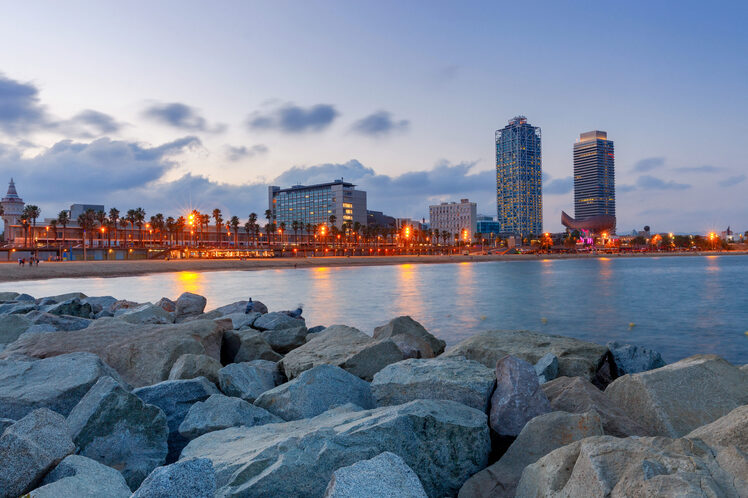
A spring break trip meant for sunshine and memories has instead become a heartbreaking reminder of how quickly things can go wrong, and how critical those first moments are when something doesn’t feel right.
James “Jimmy” Gracey, a 20-year-old University of Alabama student from Illinois, was found dead in the waters off a Barcelona beach after going missing during a night out with friends. Spanish police say “all signs point” to his death being accidental, with an autopsy underway, but the loss has sent shockwaves through his family, his campus, and a generation of young travelers drawn to one of Europe’s most popular destinations.
Gracey was last seen around 3 a.m. outside the Shoko nightclub, a well-known spot along Barcelona’s beachfront lined with restaurants and nightlife. When he didn’t return to the room he was renting with friends and stopped responding, concern quickly escalated. His body was recovered days later near the same area, a stretch of coastline that draws millions of visitors each year and is generally considered safe, with pickpocketing typically the biggest concern for tourists.
“Our family is heartbroken as we confirm that Jimmy’s body has been recovered in Barcelona,” the Gracey family said in a statement. “Jimmy was a deeply loved son, grandson, brother, nephew, cousin, and friend, and our family is struggling to come to terms with this unimaginable loss.”
For travel expert Angel Castellanos, producer of The Tour Guy on YouTube and Samantha Brown’s Places to Love, the tragedy underscores a crucial point that often gets overlooked in moments of uncertainty: time matters more than anything.
“First, it’s important to understand that situations like this are extremely rare even in major cities like Barcelona but when they do happen, the first 24 hours are critical, and speed matters more than anything,” Castellanos says.
He warns that the “biggest mistake” families and friends make is waiting too long to act.
“If someone misses a check-in, stops responding, or behaves out of character, you don’t wait 24 or 48 hours, you act immediately,” he says.
That action starts with contacting local authorities in the country where the traveler was last seen, while also reaching out to the nearest U.S. Embassy or Consulate.
“They can’t conduct a search themselves, but they play a crucial role in coordinating with local police, verifying information, and supporting families through the process,” he says of embassy and consulate staff.
“What helps authorities move faster is clear, specific information: last known location, recent photos, itinerary, hotel details, flight information, and any known contacts or tour operators. The more precise you are, the less time is wasted,” Castellanos says.
Prevention is often simple but essential. Castellanos says programs like the State Department’s STEP enrollment can help the U.S. government locate and communicate with travelers in emergencies.
Barcelona, like many global cities, remains overwhelmingly safe. But Gracey’s death is a sobering reminder that even in familiar, well-traveled places, vigilance and quick action can matter in ways no one anticipates.
“I always tell travelers to share your itinerary with someone back home and keep your location services on,” he says. “It’s simple, but it can make all the difference.”