
Animals
The Hidden Cost of Loving Your Pet: Why Insurance Is Becoming Part of the Modern Pet Parent Playbook

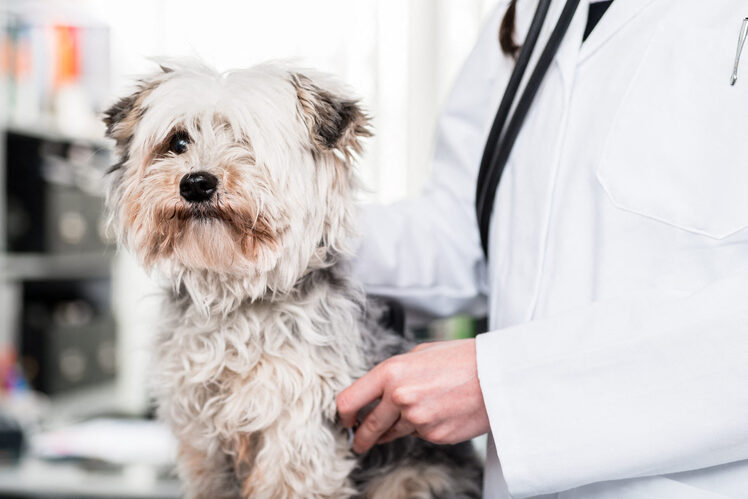
The price of pet ownership has always come with emotional rewards, but increasingly, it also comes with financial surprises that can rival human healthcare bills.
As veterinary costs climb and advanced treatments become more common, many pet owners are finding themselves facing a new question: is pet insurance a safety net, or just another monthly expense?
For a growing number of households it’s becoming a serious consideration, not because they expect something to go wrong, but because they know it might.
“Veterinarians can do more for pets today than ever before, but advanced care can come with a surprising price tag,” said Gavin Friedman, CEO of pet insurance provider adoro. “Having good pet insurance can help make the best medical decisions for our pets.”
That reality is colliding with a wave of first-time adopters and younger pet owners who may not be fully prepared for the long-term costs of care. From emergency surgeries to chronic conditions, the financial stakes can escalate quickly, and often without warning.
Still, experts say the biggest challenge with pet insurance isn’t always the price, it’s understanding what you’re actually paying for.
“The biggest surprises usually come from pre-existing condition exclusion clauses — nearly every insurer will not cover issues if symptoms appeared before enrollment,” said Ryan Howard, founder of GetBuddy, a free, AI-powered pet adoption platform featuring animals from shelters and rescues nationwide. The platform’s AI also helps people do price comparisons of local vets.”
Howard said families should also watch for waiting periods, which can be around 14 days for illness and longer for orthopedic issues.
He also pointed out that general wellness exams are “usually not covered,” and many other exam fees may not be reimbursed. He says families should also note whether a policy uses percentage reimbursement or a benefit schedule that caps payouts for specific treatments.
“These details can significantly affect what the policy actually pays when a pet gets sick,” Howard said.
Friedman said one of the most overlooked issues is how dramatically premiums can rise over time, often without clear warning.
“As pets get older, in general, needs for vet care increase, and with most pet insurance brands premiums automatically increase dramatically with age. Yet the disclosure regarding such changes is often limited to something like premiums may increase or decrease due to the age of your pet or where you live’,” Friedman said. “This is a critical issue.”
That can leave owners facing steep cost increases just as their pets are most likely to need medical attention — an especially difficult scenario for those who didn’t anticipate it.
“At adoro we do things differently,” he said. “Based on each pet’s breed, at a certain age the selected annual deductible gets locked, and thereafter we make small, predictable increases to the deductible for a set period. This ensures that premium increases based on age stay under 10% each year — much lower than people would typically experience elsewhere.”
And that process is transparently laid out for prospective customers.
“When a person receives a quote, we list out year-by-year for their specific pet when the annual deductible will lock, and thereafter what the annual increases will be,” he said. “This information is also included on their Policy documents, and we explain it in detail on our website.”
Friedman said adoro plans also cover exam fees, saving $50–300 per visit, and rehabilitation, which can be “one of the most expensive out‑of‑pocket categories, especially after surgery.”
For families weighing their options, the decision often comes down to risk tolerance and financial discipline.
“Insurance is expensive,” Howard said. “For families who have the discipline to maintain a dedicated emergency fund of several thousand dollars, self-insuring can make sense particularly for younger or healthier pets.”
But that approach comes with its own uncertainties. Emergencies don’t wait for savings accounts to catch up, and a single major procedure can wipe out even a well-funded reserve.
At the same time, rising veterinary costs are reshaping the broader landscape of pet care. Howard notes that industry consolidation has played a role.
“There has been a massive private equity roll-up in the veterinary space. For example, Mars owns more than half of the vet clinics in the U.S.,” Howard said. “These clinics have been shown to do mandatory testing on all pets, whether they need it or not, and this drives up the cost of a vet visit for a pet owner significantly.”
That makes cost transparency and proactive care more important than ever.
“Preventive care is going to be the single best way to keep overall ownership costs down,” Howard said, pointing to early wellness exams, vaccinations, dental care and maintaining a healthy diet as key factors in avoiding more serious and expensive issues later on.
Ultimately, pet insurance isn’t a one-size-fits-all solution. It’s a financial tool that can offer peace of mind, but only if owners understand its limitations and long-term implications.