Lifestyle
Marisa Renee Lee’s New Book ‘Waiting For Dawn’ Wants Us to Stop Pretending We Can Outrun Uncertainty

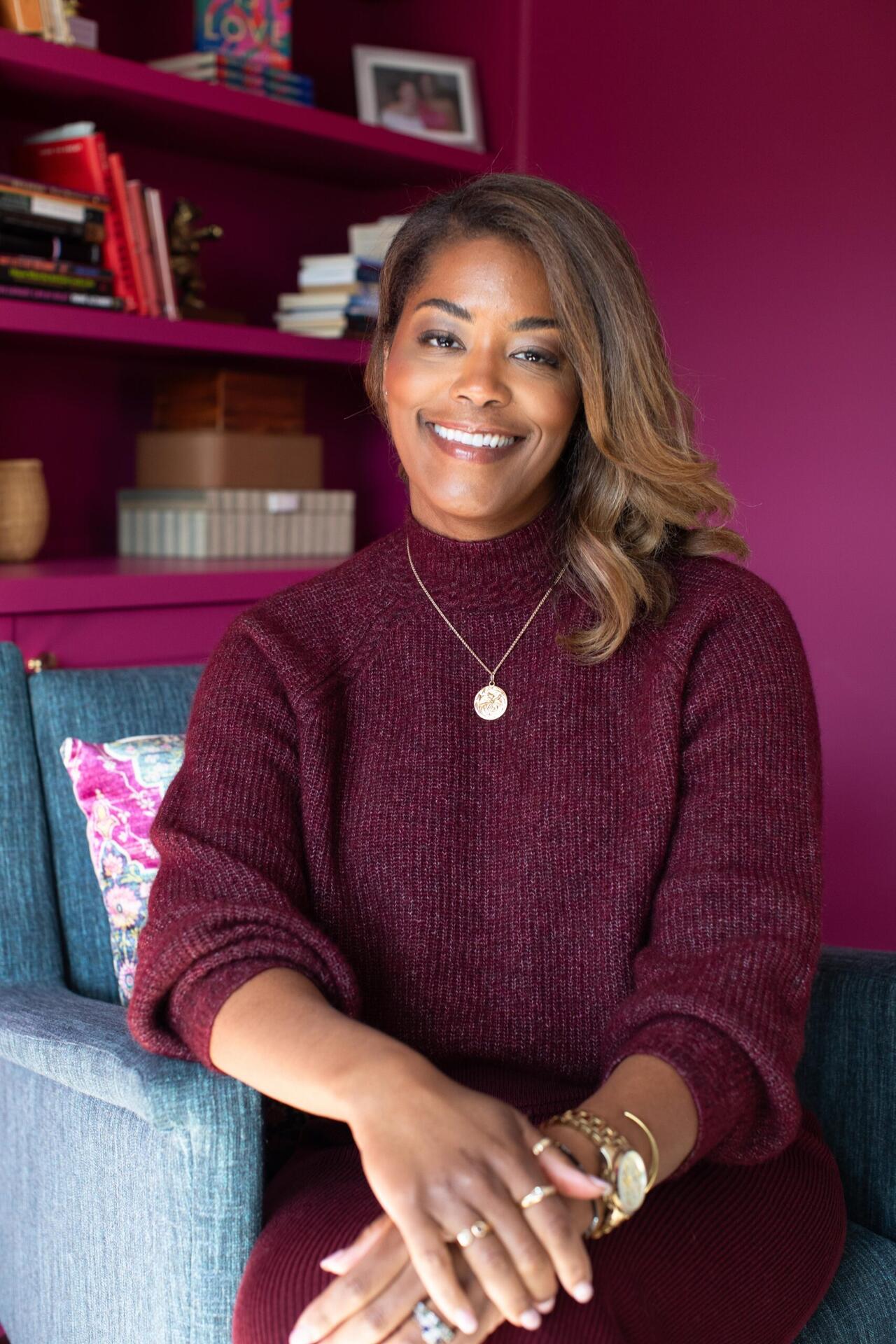
There are seasons of life when the next step will not reveal itself, no matter how carefully we plan. A diagnosis arrives. A job disappears. A marriage ends. The world tilts politically, socially or personally, and suddenly the usual advice to “stay positive” feels painfully inadequate.
“Waiting for Dawn: Living With Uncertainty” by Marisa Renee Lee begins from that uneasy place. The bestselling author of “Grief is Love” turns her attention to the long, difficult middle between crisis and clarity, offering a framework for living when answers are not yet available.
“Uncertainty, defined in my new book Waiting for Dawn’, is the persistent feeling of stress or overwhelm related to the unknown,” Lee says.
It is not an abstract problem. According to Lee, uncertainty carries a measurable cost of more than $2 trillion annually. But her work is less interested in productivity language than in the human reality underneath it: how people function when they are scared, overwhelmed or waiting for life to become recognizable again.
Her approach centers on what she calls the four A’s of navigating uncertainty: acknowledge, abandon, ask for help, and actively commit to hope. The first step is honesty. People have to acknowledge the season they are in, name what they are facing and get clear about what may be required to move through it.
That honesty is followed by a permission many people resist: abandon what is unnecessary. In uncertain seasons, Lee argues, it is not only acceptable but often essential to let go of extra commitments, obligations and responsibilities. If needed, it is OK to flake.
The third step is asking for help, both practical and emotional. That may sound simple, but Lee frames it as a radical act in a culture that often rewards self-sufficiency and treats need as failure.
“When navigating uncertainty we must commit to being counter-cultural,” she says. “We have to let go of feelings of shame and inadequacy and get comfortable asking for help in all areas of our lives.”
The final step is hope, but not as a vague motivational slogan. For Lee, hope is something disciplined and grounded in the truth of a person’s current reality.
“Navigating uncertainty effectively requires a commitment to hope,” she explains. “According to the research, a belief in an improved future leads to actions that enable that improved future.”
That theme becomes even more urgent when Lee writes about collective uncertainty. National and global instability require many of the same tools as personal crisis, she argues: honesty, connection, joy and hope. Honesty means facing the thing in order to fix the thing. Connection reduces loneliness, isolation and depression while making it easier to ask for and accept help. Joy, in Lee’s view, is not escapism. It gives people the energy to keep going.
“We mustn’t feel guilty for experiencing joy when the world is a painful place,” she says. “Joy, and the energy it provides, is what enables us to do the work to build a better world. It increases our capacity to serve.”
Lee’s own life gives the book additional weight. She is an award-winning author whose work on grief and healing has been featured on “Good Morning America,” in Vogue, in The Atlantic and on NPR. She previously served as a deputy director in the White House under President Barack Obama and now leads Beacon Advisors, a social-impact consulting firm. She is also living with long COVID and leads an education and research consortium related to the disease.
That mix of public leadership, personal loss, chronic illness and social-healing work gives “Waiting for Dawn” a practical tenderness. Lee is not writing about uncertainty from a distance. She is writing from inside the kinds of thresholds that require people to keep living without knowing exactly what comes next.
“Hope — a belief in a better future for our country and the actions that create that future — is what gave us the Civil Rights Act, Marriage Equality, and Barack Obama. As citizens, and especially as parents, we have to believe in better and do the work to build something better, not only for ourselves, but also for our children,” she says. “Hope isn’t just a brave choice, it’s the only practical way forward.”